Split Colored Pencils: An Embroidery Designer's Honest Review
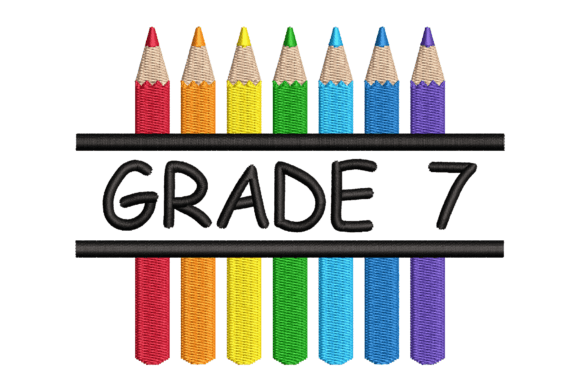
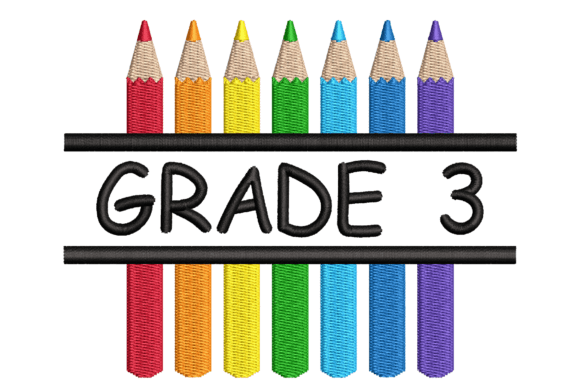
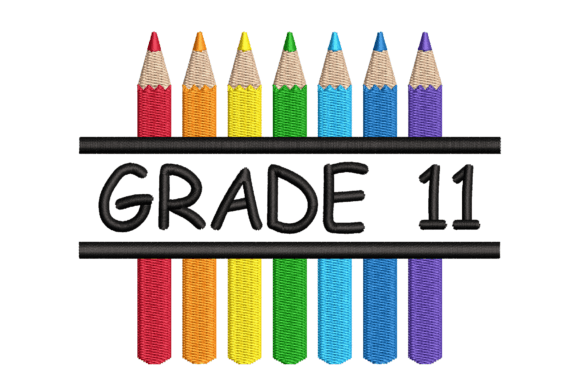
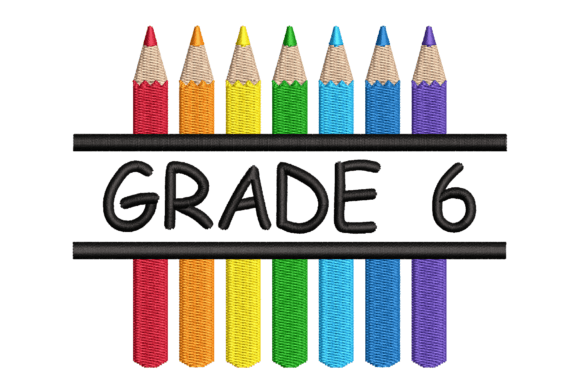
When I first opened this embroidery file, my immediate impression was a warm, nostalgic charm. The hand-drawn quality gives it a genuine, artistic personality that feels far more personal than a generic vector graphic. It’s not just a back to school icon; it’s an expression of creativity itself. That subtle mood is exactly what makes a design transition from a simple stitch-out to a meaningful element on a finished product.
Where This Design Truly Shines in Real Projects
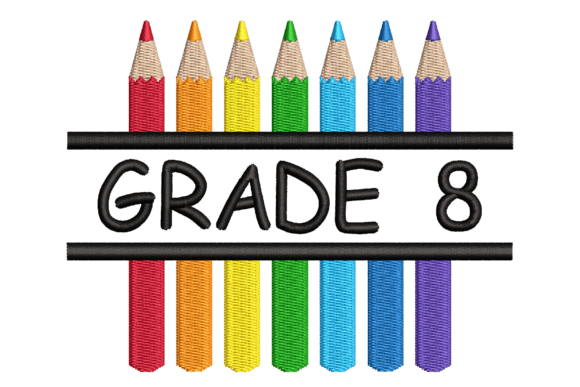
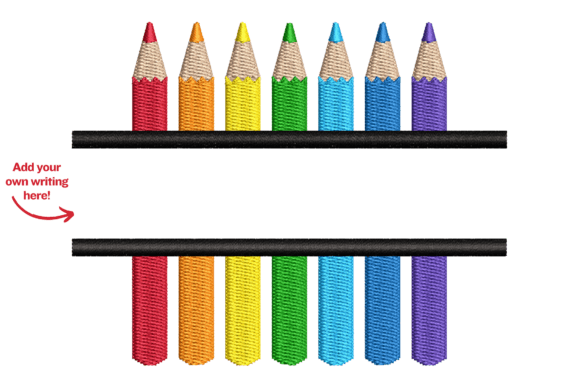
In practice, the split colored pencils motif has proven wonderfully versatile. I’ve tested it on a custom tote bag for a teacher’s gift, and the playful, open layout made it a perfect focal point without being overwhelming. The design naturally lends itself to personalized projects—the space implied by the “split” is an ideal invitation for a name or a short message, making it a standout for personalized gifts.
For my small shop merchandise, I’ve found it excels on items where a touch of wholesome artistry is desired. Think baby blankets, apron pockets, or the corner of a kitchen towel. It conveys a handmade, thoughtful vibe that customers associate with quality. On a simple sweatshirt, it becomes a casual, confident statement piece about creativity or learning. It’s less about literal “back to school” and more about celebrating a creative spirit, which broadens its appeal for year-round boutique products.
Considerations for Stitching Success
While the design is beautiful, its successful application depends on mindful execution. The hand-drawn details mean there are likely nuanced curves and areas of varying stitch density. On textured fabrics like a coarse knit or a heavily textured canvas bag, you need to ensure your stabilizer choice is robust enough to maintain the clarity of those lines. For dark fabric backgrounds, thread color contrast is critical—you’ll want those pencil colors to pop, not get lost.
I would advise against using it on very small hoop sizes or on highly stretchy fabrics like thin t-shirts without extensive testing. The potential for detail loss in tiny corners or distortion from fabric pull is real. Similarly, curved surfaces like caps require careful placement to ensure the design’s orientation remains visually pleasing.
How This Design Impacts Your Product's Appeal
From a business perspective, using a design with this character elevates your product. It speaks to customer trust—they see a cohesive, intentional aesthetic, not a random clip-art motif. For an Etsy seller or craft fair vendor, it helps build a brand consistency around thoughtful, artistic themes. The giftability factor is high; it feels special and bespoke, especially when personalized.
In digital product previews and printable mockups for your embroidery file listings, this design creates an engaging, relatable visual that helps potential buyers envision it on their own projects. That connection drives buyer engagement far more than a technical specification list.
A Designer's Practical Checklist Before You Stitch
Before committing this to a client project or your next batch of shop merchandise, run through these steps:
- Always stitch a test on scrap fabric of the same type you plan to use. This reveals how the satin stitches and fill stitches behave with your thread and stabilizer combo.
- Review the stitch density in your software preview. Are there extremely dense areas that might challenge certain fabrics?
- Check how it looks in both a light and dark fabric mockup, even a simple black-and-white preview, to judge contrast and silhouette.
- Confirm the hoop size you intend to use accommodates the design comfortably, allowing all details to stitch cleanly.
- If you plan to sell the finished physical products or use the design for commercial embroidery, verify the licensing terms of the digital embroidery file. Don’t assume.
The Final Verdict for Makers and Entrepreneurs
The Split Colored Pencils embroidery design is a strong asset for anyone looking to infuse projects with authentic, artistic charm. Its strength isn’t in overwhelming complexity, but in its emotive simplicity and flexibility. It works for the hobbyist making a heartfelt holiday gift and for the apparel decorator stocking a line of boutique baby items.
Approach it with the practical respect any good design deserves: test, adapt, and choose your application wisely. When paired with the right fabric, thoughtful personalization, and quality execution, it becomes more than just an embroidery file—it becomes the heart of a beautiful handmade product that people genuinely connect with. That’s the real value for any maker.