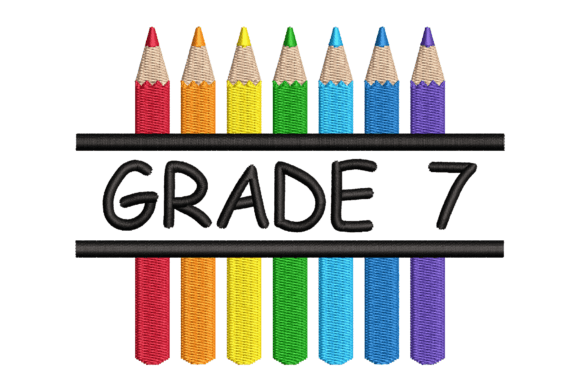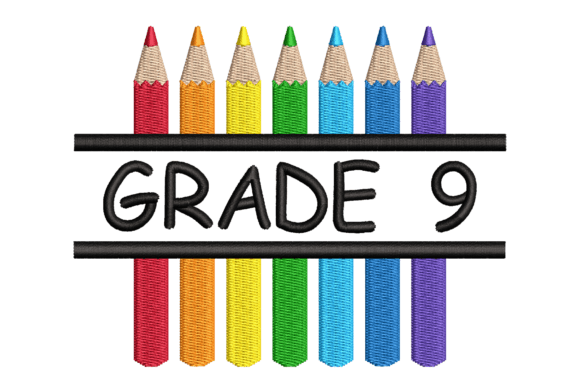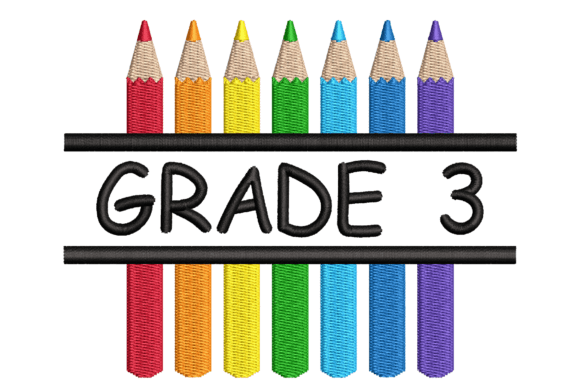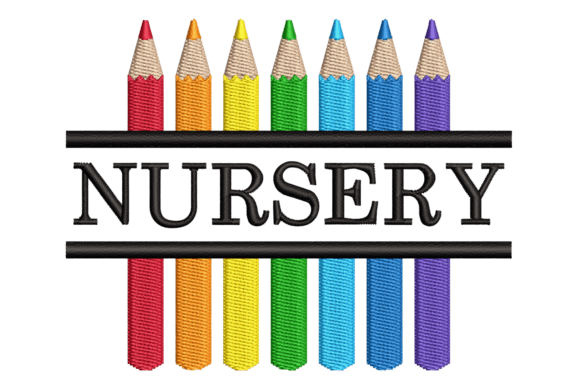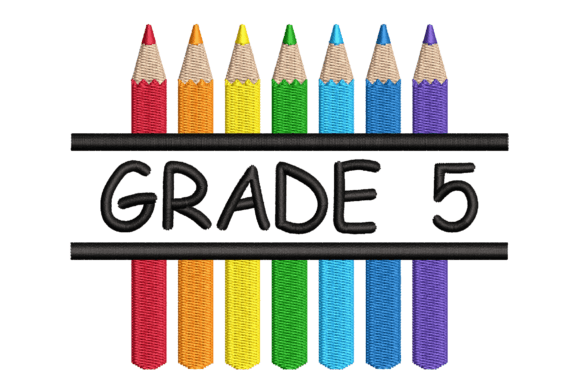
Grade 5 Split Colored Pencils: A Charmingly Simple Embroidery Design
From my desk, surrounded by fabric swatches and thread spools, I’m looking at a new machine embroidery design I’ve just loaded into my software: Grade 5 Split Colored Pencils. As an embroidery designer tasked with vetting files for our personalized gift shop, my first job is to imagine this design not as a digital file, but as a finished, stitched product. Will it make our customers smile? Will it stitch out cleanly on the aprons, blankets, and totes we sell? Let’s dive into a practical review.
First Impressions: Sweet, Playful, and Full of Handmade Charm
The mood here is instantly sweet and optimistic. The hand-drawn quality gives it a warmth that a perfect vector graphic sometimes lacks. It feels playful, nostalgic, and wonderfully suited to childhood. There’s an emotional appeal in its simplicity—it’s not overly detailed or fussy, which means it will translate beautifully into stitches without losing its charm. For a Back To School theme, it hits that perfect note of excitement and new beginnings. It’s a modern take on a classic symbol, making it versatile beyond just school bags.
The Versatility of This Design for Personalized Gifts
When planning for a gift shop, I think about the stories a design can tell. Grade 5 Split Colored Pencils isn’t just for school supplies. Its cheerful, clean aesthetic makes it a contender for numerous personalized gift categories.
Imagine it stitched on a soft baby blanket or a nursery item as a hopeful nod to future learning. It would be charming on a kitchen towel or apron for a teacher or a crafty parent. For a custom tote bag, it adds a unique, handmade touch that stands out from generic prints. As a wedding gift for a couple who are teachers or artists, paired with their initials or date, it becomes a meaningful family keepsake. For Etsy sellers and craft fair vendors, this design offers an easy route to creating a small shop product that feels special—a pillow cover for a student’s dorm room or a embroidered towel as a housewarming gift. The key is in the personalization; adding a name or date alongside the pencils transforms a cute design into a cherished custom embroidery piece.
Practical Considerations: Where This Design Excels and Where to Be Careful
Now, for the real-world embroidery notes. Every design has its ideal applications and its pitfalls.
This design, with its relatively bold shapes, should stitch out reliably on many fabrics. It’s likely to perform well on items like pillow covers, canvas totes, and blanket embroidery on smooth cotton. However, caution is needed in a few areas. While the pencils themselves are probably sturdy, any accompanying small lettering (like a name or “Grade 5”) needs attention—stitch density and hoop size must be appropriate to keep small text legible. On textured fabric like terry cloth for towels, or on stretchy baby clothes, using the correct stabilizer is non-negotiable to prevent puckering. Embroidering on dark fabric requires thoughtful thread color contrast—a bright, white-based pencil graphic might need a slight color adjustment to pop. For products destined for frequent washing, like kitchen linens, a robust stitch structure and quality thread will ensure longevity.
Enhancing Giftability and Customer Perception
From a sales perspective, Grade 5 Split Colored Pencils boosts giftability. Its theme is inherently sentimental, increasing the emotional connection for the buyer. The clear handmade quality evident in the design elevates the perceived value of the finished product compared to a printed item. For an Etsy seller, this helps build customer trust; buyers seeking a personalized gift are looking for that artisan touch. In product photography, the clean, colorful design makes for engaging photos and effective digital embroidery file printable mockups in listings, driving buyer engagement. It tells a story before the customer even clicks “add to cart.”
A Step-by-Step Plan Before Stitching for Customers
Before I’d ever run this on a real customer’s order, here is my standard pre-flight checklist. I recommend every crafter or shop owner follow a similar process.
- Test on scrap fabric: Always stitch a sample on a scrap of the actual material you plan to use, whether it’s towel fabric, baby knit, or linen.
- Check thread color contrast: Compare your chosen thread palette against both light and dark background mockups.
- Confirm hoop size: Ensure your machine’s hoop can accommodate the design size comfortably, allowing room for any added text.
- Review stitch density: Look at the file details to see if the density is suitable for your fabric; very dense designs can be tough on delicate materials.
- Use proper stabilizer: Match your stabilizer type (cut-away, tear-away, wash-away) to the fabric’s stretch and texture.
- Check small details after stitching: After your test run, inspect any fine lines or small elements for clarity.
- Confirm commercial licensing: If you are selling finished products, verify the license terms of the embroidery file for commercial embroidery use. This is a crucial, often overlooked step.
Final Thoughts for the Creative Entrepreneur
Grade 5 Split Colored Pencils is a design that embodies a simple, joyful idea. It’s a tool for creators to make products that feel personal and thoughtful. Whether you’re a baby product creator adding it to a nursery decor set, a wedding gift designer incorporating it into a custom keepsake, or a digital product seller offering the file itself, its appeal lies in its adaptability and emotional resonance. My advice is to embrace its playful spirit, pair it creatively with personalization, but always ground that creativity in practical embroidery preparation. That balance is what turns a good digital embroidery file into a thriving handmade product business.